Give most people £300,000 to put into UK property and they buy one home. Something finished, in a nice area, ready to let. It feels safe.
It's also the slowest way to build wealth. All the money sits in one building, in one town, earning one rent. The value has already been added by someone else, and you paid them for it.
A portfolio is built differently.
We don't buy the shiny ones
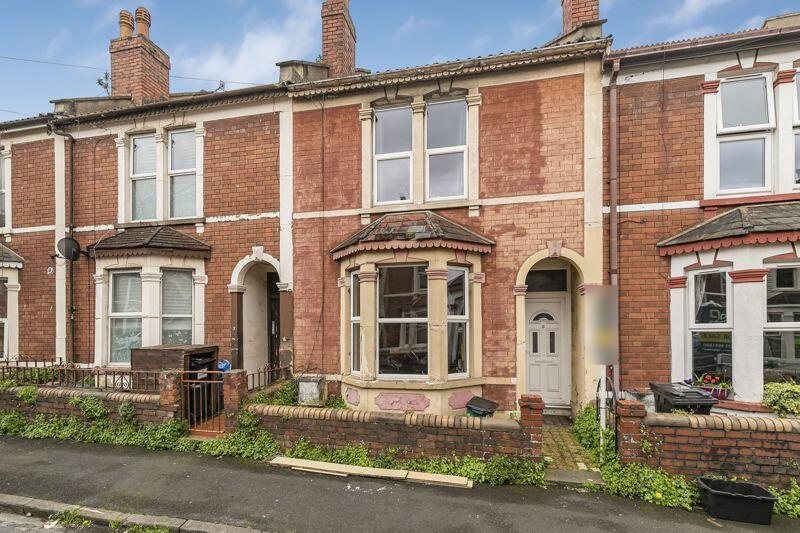
Building a portfolio isn't about buying polished homes in gated developments. We look for the opposite: distressed, neglected property. Often empty. Often run down. Sometimes left for years.
But always in a good area.
That's the combination that matters. A tired house on a street people want to live on. We buy it below what it will be worth, bring it back to life, and add real value in the process. The house in the photo above is exactly the kind of property we look for.
Location first: where tenants already want to live
A beautiful refurbishment in the wrong place is still a bad investment. So we start with demand. We look near:
- Universities: postgraduates and young staff who want quality shared homes
- Hospitals: doctors, nurses and NHS staff who need to live close to work
- City centres: young professionals who want to walk to the office
- Industrial estates and business parks: steady demand from people working nearby
- Commuter towns: families and couples priced out of the big cities
- Holiday towns and visitor attractions: short-stay lets for tourists and contractors
Every area has its own tenant, and every tenant wants something different. We find out what that is before we buy, then refurbish to an excellent standard for that tenant. Not to our taste. To theirs.
The cycle: buy, refurbish, let, refinance, repeat
- Buy a run-down property in a good area, below its finished value.
- Refurbish it properly, to the standard local tenants are looking for.
- Let it to carefully referenced, quality tenants.
- Refinance: once it's let and worth more, take a long-term mortgage against the new value.
- Repeat: the refinance releases most of the money used, which goes into the next property.
The same capital keeps working. It doesn't sit in one building. It moves on to the next one.
A simple example
Illustrative figures only, to show how the cycle works:
| Purchase price of a tired house | £180,000 |
|---|---|
| Stamp duty, legal and finance costs | £25,000 |
| Refurbishment | £55,000 |
| Total cash put in | £260,000 |
| Value once refurbished and let | £320,000 |
| New mortgage at 75% of value | £240,000 |
| Cash left in the property | £20,000 |
In this example, around £240,000 comes back out and goes into the next purchase. You still own the first property, it's let, and it's earning rent.
It doesn't always go this well. If the valuer says £300,000 instead, the refinance releases £225,000 and £35,000 stays in. Works can overrun. Interest rates move. That's why we plan every deal on the cautious numbers, not the hopeful ones, and keep cash in reserve.
A science and an art
The science is the numbers: purchase price, comparable sales, refurbishment costs, local rents, finance costs and a realistic end value.
The art is judgement. Which street is improving. Which layout tenants will love. Which "bargain" is cheap for a reason.
Most of this job is saying no. We look at many deals for every one we buy.
It takes patience. A deal that's only nearly right gets turned down. Waiting for the right property costs far less than fixing the wrong one.
What we're aiming for
Two things, together:
- Long-term growth: property bought well, improved properly and held in areas that keep attracting people.
- Positive cash flow: rent left over after the mortgage, bills and every running cost are paid. If a property can't pay its own way, we don't buy it.
We also buy only where there's strong demand, so that if a property ever needs to be sold, there are buyers for it.
What £300,000 can do
Instead of one property in one place, £300,000 can be the starting capital for a steady, diversified portfolio across the UK. Different towns. Different tenants. Different types of property. If one local market slows, the others carry on.
Over time, recycled capital and part of the rental income fund each next purchase. The portfolio grows without you having to keep sending more money.
How fast it grows depends on the deals, the valuations and the market. We'll show you realistic numbers for your situation, including what happens when things don't go to plan.
Two ways to do it
Buy for you: we do the work, you own 100% of every property in your own UK company. How it works.
Invest with us: we set up a private company together, you provide the capital and we share the results. How it works.
Either way, the first step is the same: book a 30-minute call.
The figures in this article are illustrative, not a forecast or a promise. Property values can fall as well as rise, rental income is not guaranteed, and refinancing depends on lenders and valuers. This article is general information, not financial, tax or legal advice.